
A Cone that Moves Late
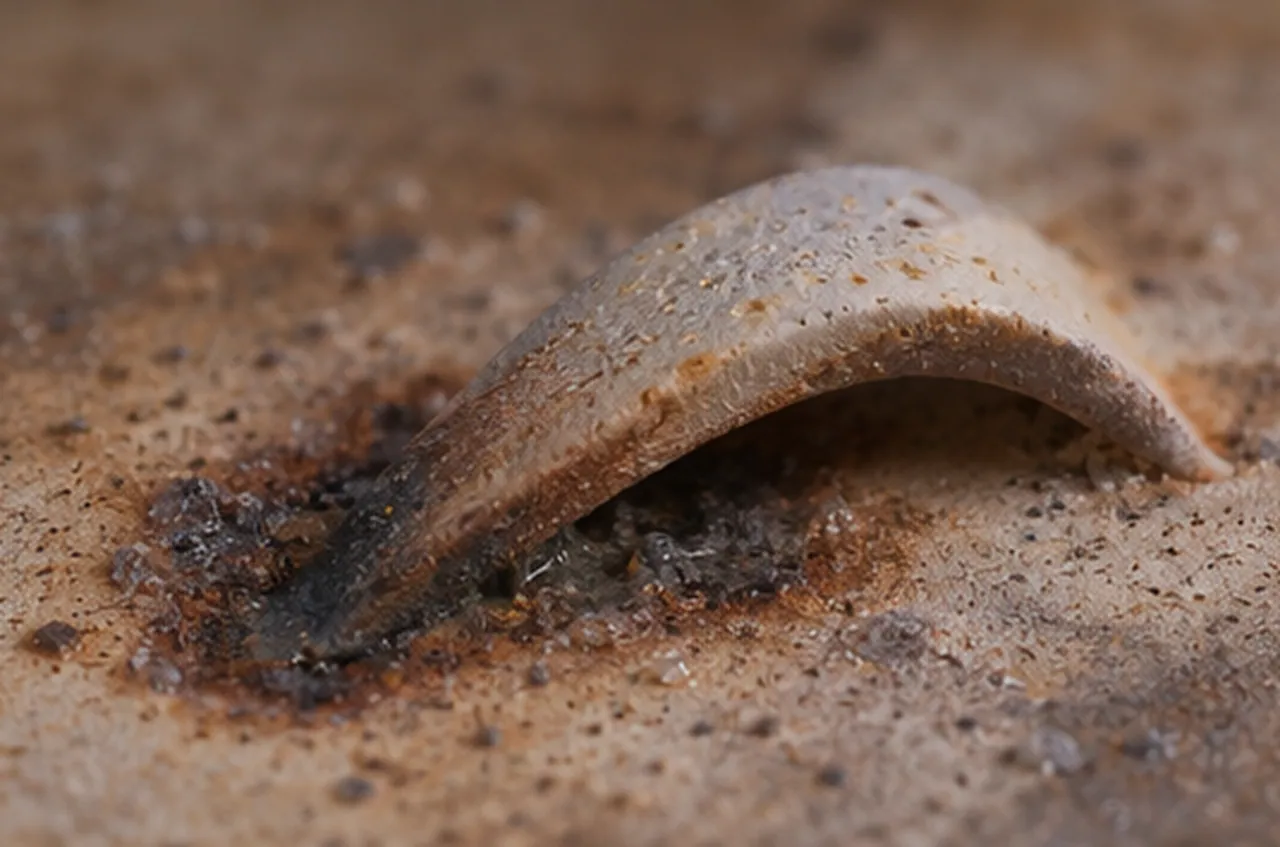
In the first firing build, one hand on a small dial moved through the stage during which the cup was changing. A person could learn where the hand had to stop, even if they had paid little attention to the work. The lasting question came after the run, when the blue edge looked different from the previous one. There was no local sign to connect that result with the waiting part of the firing. We placed a small cone on a plain support near the cup and made a few versions of how and when it would bend. This note follows the one difference that mattered most to the apprenticeship sequence.
Version one, one moving mark
The first dial used long arcs for the beginning and end of a simulated firing. At the end the arrow crossed one cut. The person watching it could act without looking elsewhere. The glaze on the nearby cup was dull under the light at the opening. Some people checked it anyway and decided it could tell them whether the firing had gone far enough. Its reflection moved with the camera. We had put a clue in the scene that looked promising and then given it no reliable way to show the outcome at that stage.
Our next pass kept the dial but opened a view toward a cone set near an ordinary tile. Both pieces were waiting at the same point in the run. The cone leaned at a different stage from the motion of the dial. Near the first bend there was no change in the visible color of the cup. You could wait a little and watch the cone tip fall past a pale line in the support. The line recorded a useful distinction between an observation in the chamber and the result that would still have to be judged after cooling.
Version two, a late response
The cone began to move with its base steady. At first the change near its tip was barely visible from a high part of the opening. Lower the eye and the tip moves against a light patch on the far wall. This view showed what the dial could not. You could see when the cone had moved far enough to intersect the lower patch. The amount of travel still depended on the prepared test, but there was a stable point where you could identify the shape without looking at a long sequence of moving numbers.
We repeated the viewing arrangement with the cup placed closer to the opening. Its warm side covered part of the cone after the first bend. If the player looked back while the dial still had some room to move, they could see an empty space above the cup. A larger visible tip let them know the cone was standing farther inside rather than simply disappearing into shade. We shifted the support slightly toward the edge of the viewing line. The next version maintains the useful overlap with the cup and preserves a short side view of the cone long enough to compare how it has changed.
Keep the place of observation
Cone Before Gloss records the earlier position in a small notebook display so the player can look at the resulting vessel beside the previous sample. The Bottom of the Run takes a thick glaze edge through that comparison. Next we will use two tests with the same viewing passage and different initial coatings. If the cone’s role is legible in both, the player should still be able to point to where it moved without assuming a certain final color. The design allows the fired result to bring its own evidence rather than treating the first observed bend as a complete answer.